





How do name puzzles help with toddler development?
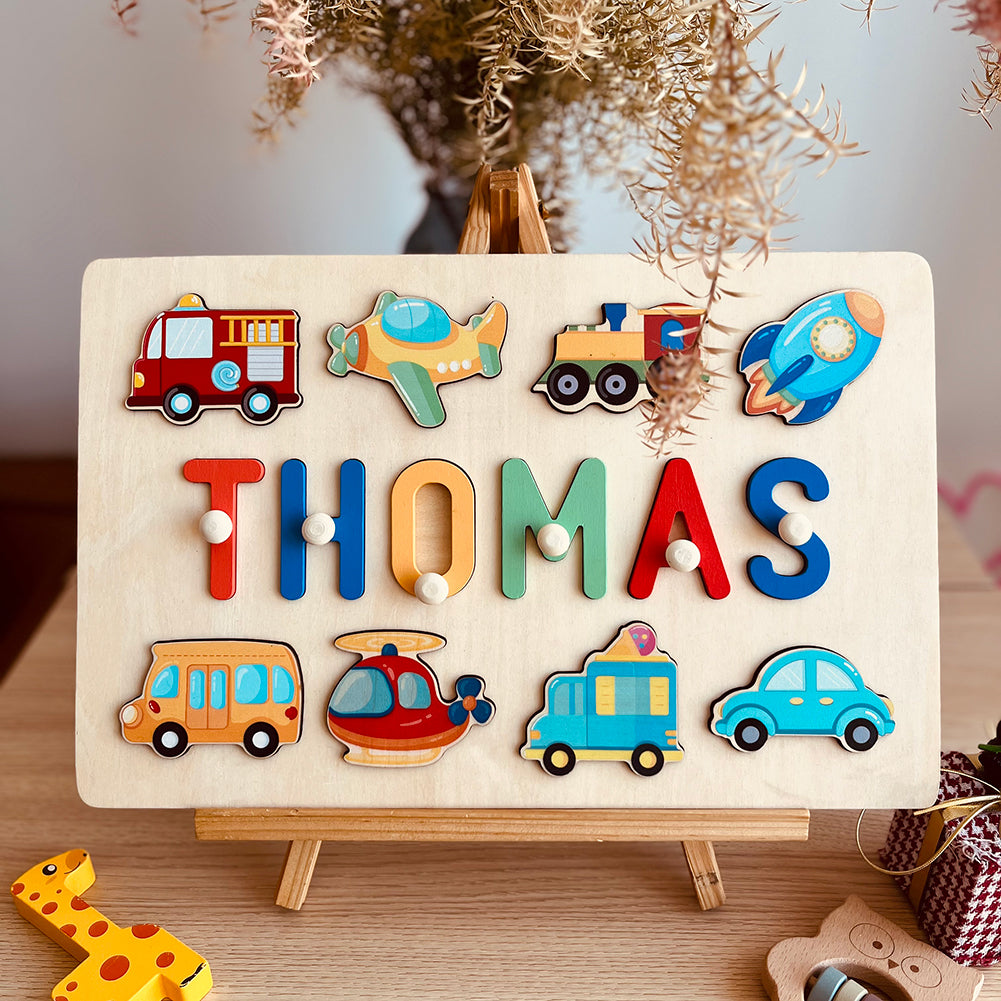
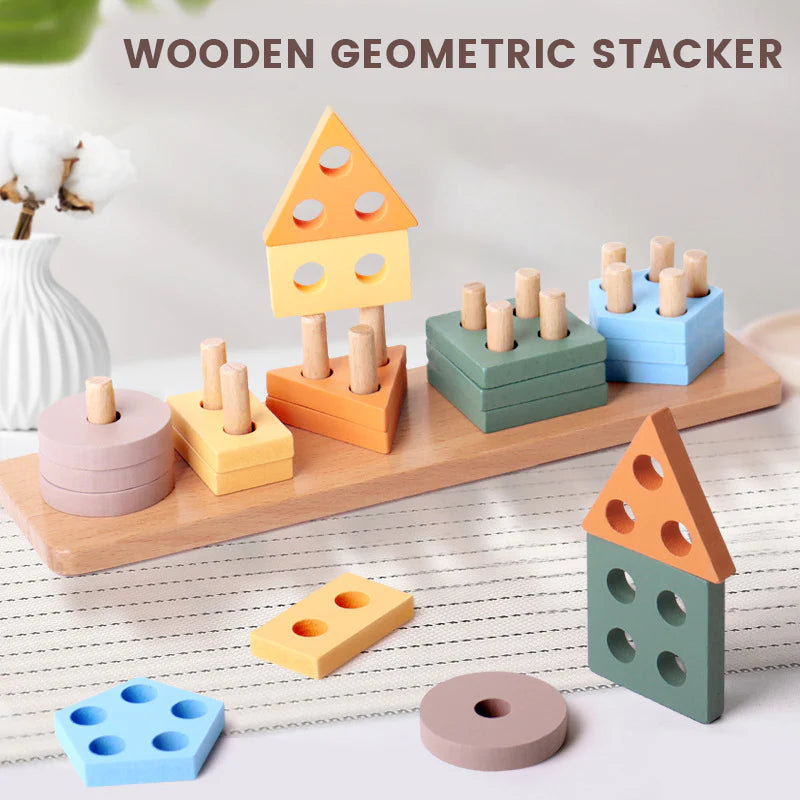
If you’ve ever watched a toddler struggle to fit a chunky wooden letter into the right spot, then light up when it clicks into place, you’ve seen more than just a cute moment. That little puzzle—especially one spelling out their own name—is doing some serious behind-the-scenes work on their development.
Here’s what’s really going on when your child plays with a name puzzle.
Learning Letters Without Flashcard Boredom
A name puzzle puts the most meaningful word in the world to a toddler: their own name. Every time they pick up a “C” or an “M,” they’re not just grabbing a shape—they’re getting familiar with that letter’s look, its curves and lines. Over time, they start to recognize those same letters in other places, like on a cereal box or in a picture book. It’s low-pressure, playful exposure to the alphabet, and it plants seeds for reading long before they ever sound out a word.
Tiny Hands Getting Stronger
Those little fingers gripping, turning, and sliding puzzle pieces? That’s serious workout time for fine motor skills. Lifting a wooden letter and maneuvering it into its exact spot takes control and patience. You’ll see their hand-eye coordination improve week by week—first they’re fumbling, then they’re aiming, and suddenly they’re snapping pieces in like a pro. All that practice pays off later when they hold a pencil or use scissors.
“This Is Mine” – Building Identity
There’s a reason toddlers get so attached to things with their name on it. Recognizing their own name—and being able to piece it together—feels deeply personal. It’s an early lesson in self-awareness and belonging. When they finish the puzzle, that little smile or proud “I did it!” isn’t just about solving a problem. It’s them saying, This is who I am, and I made this happen. That sense of ownership and achievement matters more than we often give it credit for.
Shapes, Spaces, and Silent Problem-Solving
A puzzle piece is a shape, but it’s also a clue. Toddlers learn quickly that a rounded letter won’t fit into a square slot, and that flipping a piece around might suddenly make it work. They’re building spatial reasoning and visual discrimination without any adult explaining it. And when a piece doesn’t fit, they try another spot—that’s early trial-and-error logic in action. No worksheets required.
Focus That Doesn’t Feel Like Work
We all know toddlers have short attention spans—until they find something they actually want to solve. A name puzzle can hook them for five, ten, even fifteen minutes. That sustained focus, even in small bursts, is practice for every kind of learning ahead. They learn that sticking with a tricky problem (and maybe feeling a little frustrated) can lead to a satisfying finish. That’s resilience and patience, shaped one wooden letter at a time.
So next time you see a name puzzle on a toy shelf, don’t just think “another activity.” Think of it as a quiet little tool for growing minds—one that teaches letters, strengthens hands, builds confidence, and stretches a toddler’s ability to stick with something hard. And honestly? Watching them beam when the last piece snaps in? That’s just the cherry on top.