





What Age Are Name Puzzles Actually Good For?
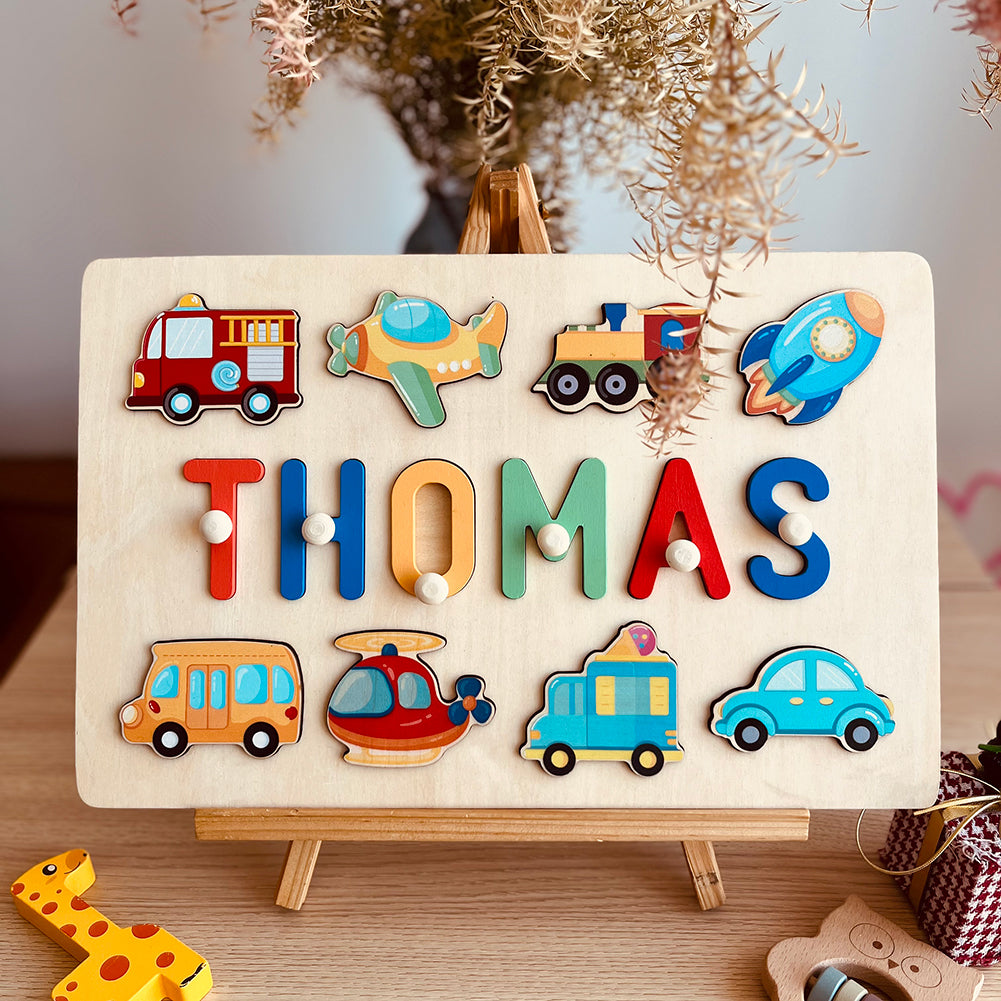
If you’re shopping for a toddler (or have one who suddenly seems ready for everything), you’ve probably seen those wooden name puzzles and wondered: Is my kid too young for this? Too old?
Short answer: Name puzzles work beautifully for kids roughly 1 to 5 years old. But the way a one-year-old uses one versus a four-year-old? Completely different. Let me break it down by age, the way you’d actually see it play out at home.
1 to 2 years old – It’s all about the hands
At this stage, your child has no idea those squiggly shapes are letters. And that’s fine. What they are doing is grabbing chunky pieces, banging them, turning them over, and trying to shove them into any slot that looks close.
That’s pure fine motor work and hand-eye coordination. They’re learning how to aim, how to rotate a piece, and how to use their little finger muscles. So don’t expect name recognition yet. Just let them explore the physical puzzle.
2 to 3 years old – The light bulb starts flickering
Somewhere in here, something clicks. They start noticing that one piece looks different from another. They might point to the first letter of their name and say “That’s mine!” even if they can’t name it yet.
This is visual discrimination kicking in. They begin to understand that those wooden shapes mean something, and that a specific group of them belongs to them. You’ll see them try to match letters to the empty spots by shape, not just by guesswork.
3 to 5 years old – Real letter learning happens
Now we’re talking. By three, many kids can recognize at least the first letter of their name. By four or five, they’re putting the whole thing in order – sometimes with help, sometimes all on their own.
This is the sweet spot for early literacy. Name puzzles at this age help kids memorize letter sequences, understand that letters have an order, and build confidence for eventually writing their name with a crayon. You might even catch them “reading” their name off the puzzle to a stuffed animal.
One non-negotiable buying tip (especially for the littles)
If your child is under three – or still puts everything in their mouth – do not grab any old puzzle off a shelf.
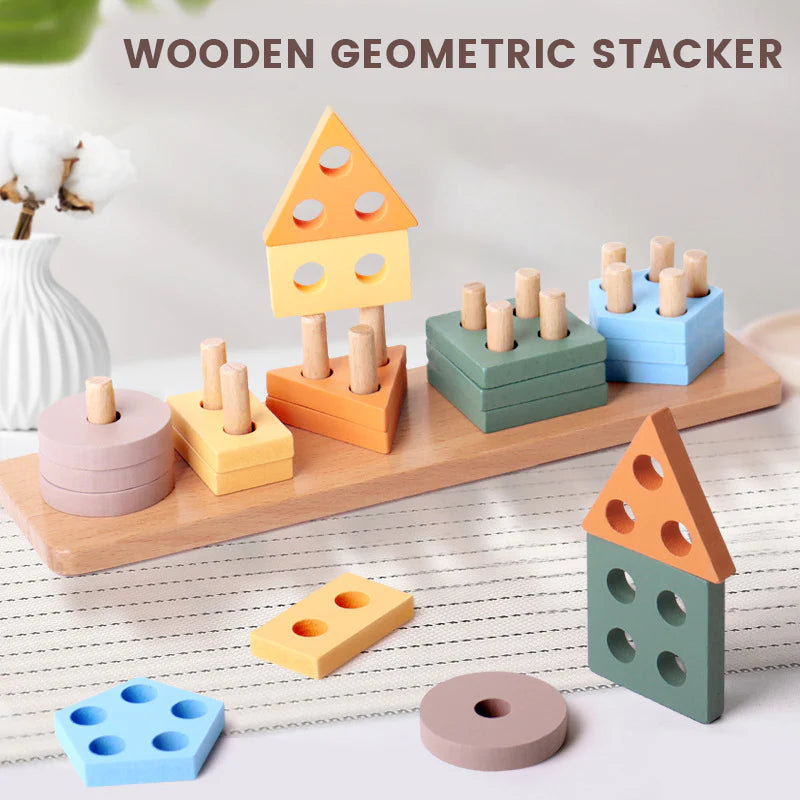
Look for large, chunky pieces (nothing small enough to be a choking hazard). Make sure the wood is smooth with no splinters or rough edges. And this matters a lot: use only puzzles finished with non-toxic, water-based paint. Toddlers will lick test pretty much anything. You want to be able to say “go ahead” without cringing.
Bottom line
A name puzzle grows with your child. At one, it’s a gripping toy. At two, it’s a matching game. At four, it’s a spelling lesson. And somewhere in between, it becomes theirs – which is really the whole point.