




How to teach a preschooler to write their name easily?
Four Easy Steps to Teach Your Preschooler to Write Their Name
Many parents know the scene all too well: you put a piece of paper and a crayon in front of your 3‑ or 4‑year‑old, hoping they’ll practice writing their name – but they either scribble all over the page or run off to play. Writing is a big challenge for little hands that are still developing, and it can easily feel frustrating.
But teaching your child to write their name doesn’t have to be a battle. With the right approach, it can be fun, playful, and even something they ask to do.
Step 1: Bring Their Name to Life – Recognise Before You Write
Before picking up a pencil, your child needs to become familiar with their name. Read it aloud to them, point to each letter, and repeat it often. Stick a colourful name card on the wall, or spell their name with magnetic letters or building blocks. When they see and “play” with their name every day, it stops being an abstract idea and becomes a familiar part of their world.
Step 2: Demonstrate the Stroke Order – Show, Don’t Just Tell
Next, write their name in front of them, slowly and clearly. Say each stroke out loud as you go – “a curve down, a straight line…” – and repeat this a few times. Then encourage your child to say the strokes with you.
The key is patience and slow demonstration. Little brains need time to absorb how each letter is formed. After several viewings, they’ll start to internalise the correct sequence.
Step 3: Tracing Play – Turn Practice into a Game
Asking a preschooler to write from scratch is too big a leap. Tracing is the perfect bridge.
Lightly write their name in pencil, and let your child trace over it with colourful markers or crayons. As they trace, say the stroke order aloud to guide them. You can even use different colours for each repetition – it keeps things fresh and engaging.
Beyond paper, try these fun twists:
-
Write in sand, flour, or shaving foam with a finger
-
Use thick wax crayons on large paper
-
Stick stickers along the outline of each letter
The more it feels like play, the more willing your child will be to join in.
Step 4: From Spelling to Writing – Strengthen Those Little Hands
Often, children know their name but can’t write it simply because their hand muscles aren’t ready. Gripping and controlling a pencil takes fine motor skills that need gradual practice.
This is where name‑spelling puzzles become a brilliant stepping stone. Arranging letters (or strokes) to form their name builds hand‑eye coordination and reinforces the order of the letters – but it’s much easier than writing. Every successful spell gives your child a confidence boost, saying “I can do this!”
Why Woodemon’s Personalised Name Puzzle Is a Great Helper
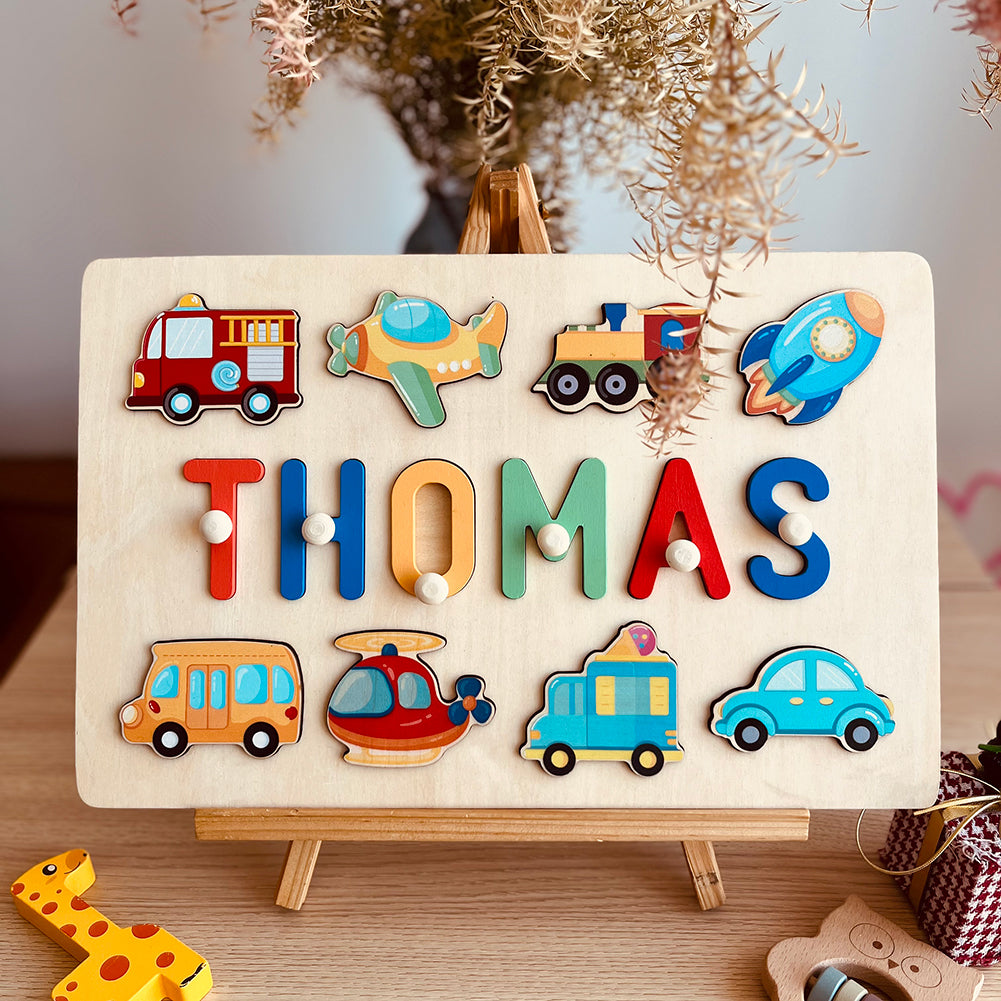
Speaking of spelling puzzles, let’s talk about Woodemon’s personalised wooden name puzzles.
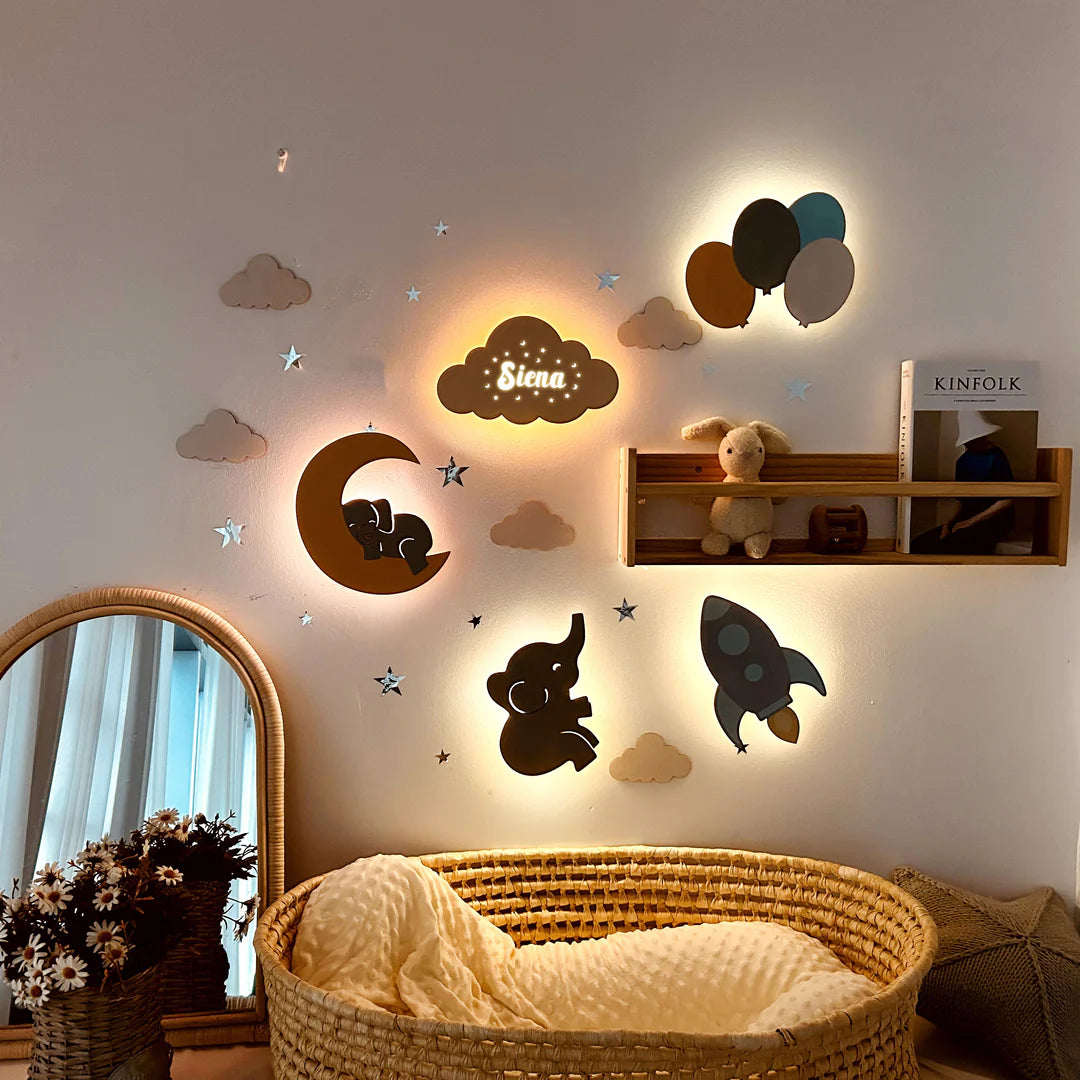
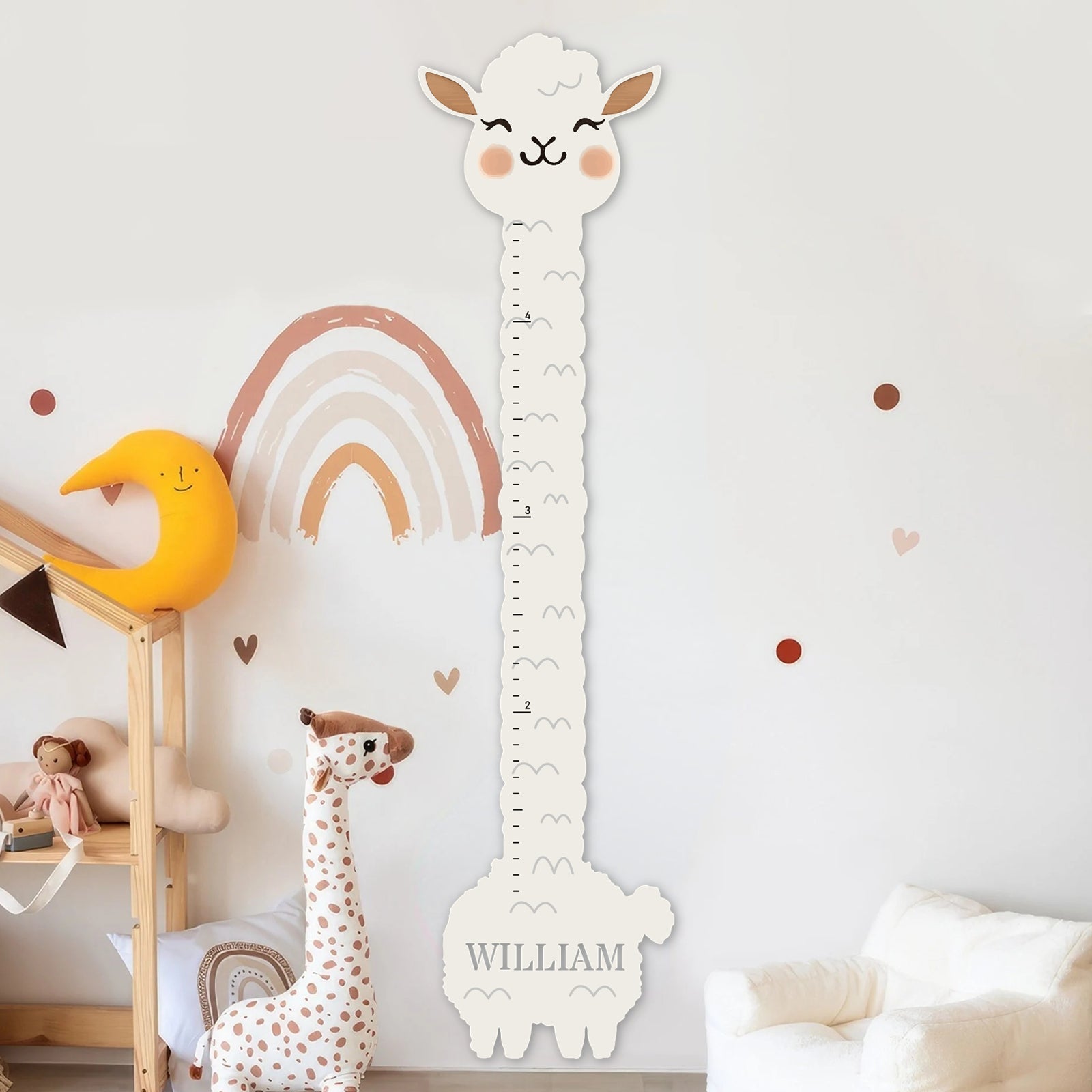
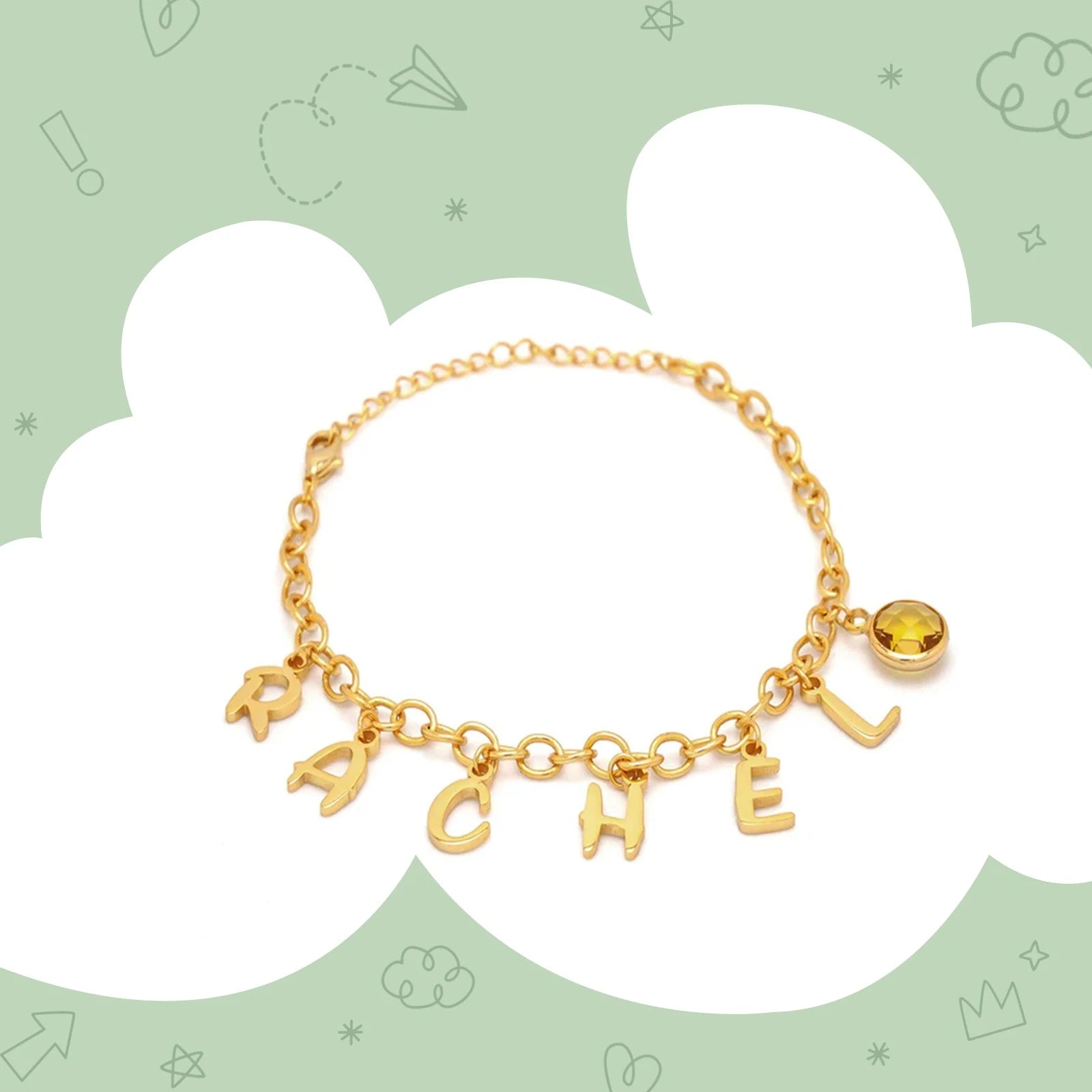
Woodemon is a brand that specialises in high‑quality personalised children’s gifts. It started with wooden name puzzles and has since expanded into backpacks and home accessories – but the name puzzle remains its signature product. Why? Because it truly helps children learn.
First, safety comes first. Woodemon puzzles are made from high‑quality natural birch wood, finished with eco‑friendly water‑based paint – free from harmful chemicals. Each piece is finely sanded with smooth, rounded edges, so you never have to worry about splinters or scratches.
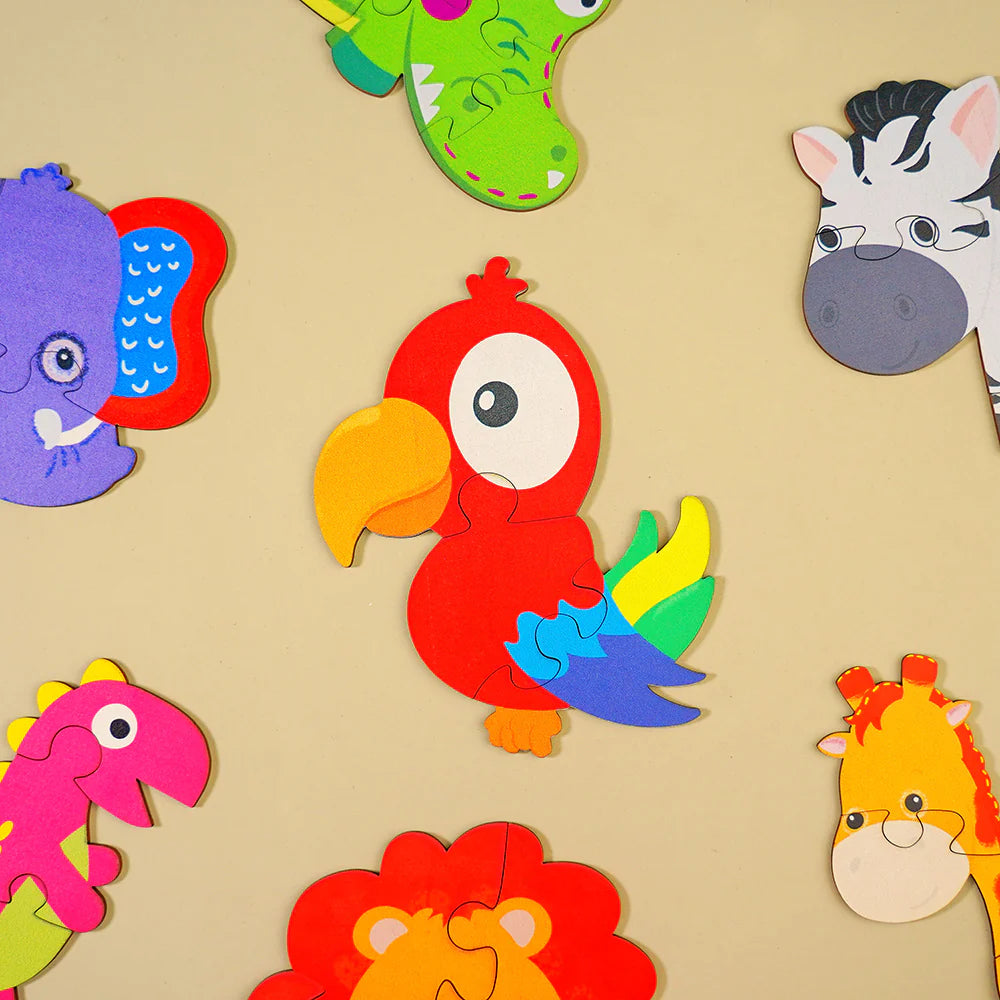
Second, learning through play. Each puzzle piece is a letter, and children must arrange them in the correct order to spell their name. This builds letter recognition, hand‑eye coordination, and problem‑solving skills. More importantly, when they fit that final piece and see their own name come together, the sense of ownership and pride is priceless – something no workbook can replicate.
Third, a natural pre‑writing tool. The fine motor control and coordination required to pick up and place puzzle pieces are exactly the same skills needed for holding a pencil. “First spell, then trace, then write” – Woodemon’s puzzle fits perfectly into that learning journey.
Fourth, totally personalised. Every puzzle is custom‑made with your child’s name, and you can choose from different themes (animals, dinosaurs, vehicles, etc.) and colours. That personal touch makes it extra special – children treasure it and want to play with it again and again. And every play session is a learning session.
Final Thoughts
Teaching your child to write their name is a marathon, not a sprint. From recognition to spelling, from tracing to independent writing – each stage takes time and patience. But with the right methods and the right tools, the process can be filled with laughter and little victories.
Woodemon’s name puzzle might just be the helper that makes your child learn to write their name with a smile. It’s more than a toy – it’s a companion that grows with them. As Woodemon’s brand philosophy says: Toys should spark curiosity and accompany children as they grow.
Watch their name jump out of the puzzle and onto paper – that joy of achievement is something every parent and child can look forward to together.